Inoculation > Isolation

I’ll never forget the story I once heard Christine Caine tell about sending her daughter to kindergarten. She comes home from her first day and she’s crying. Some boy called her stupid and it hurt her feelings. Caine’s husband sits her down and says, “Let me tell you what I think. I think you’re very smart. And I think you’re very beautiful, just like your mom.”

The next day she comes home from school with a smile on her face and says, “Hey mom, that boy tried to call me stupid today and I told him that he’s wrong because my dad says I’m smart. Then he tried to call me ugly and I told him he was wrong about that too because my dad said I’m beautiful just like you, mommy!”Subscribed

The little girl was almost elated to tell this story. Why? Because she realized she had an antidote for vitriol. She had a way to fight back and win. She was armed with the necessary tools to withstand great adversity (for a 5-year-old).

Caine told that story to point out that sometimes we need to remember what our Heavenly Father says about us when the lies from the world start creeping into our minds. And that’s so true. I’m going to take a slightly different angle here.

To me this screams inoculation over isolation (I must give credit where credit is due. I read that phrase in an article by Dr. Steve Stewart-Williams. He is an accomplished psychologist and author). If she had never heard those words from that boy, she would’ve gone through time having been shielded and not having built a resistance to hurtful words. By that point, she would have built up this unrealistic notion that people don’t say hurtful things to each other and once this hurtful rhetoric is encountered after years of believing it didn’t exist, the let down is significantly stronger than it would have been if she’d learned it sooner. This would have caused greater stress.

As it stands, she learned it early. And was able to apply what she learned the very next day. The feeling that came over her in the wake of this new empowerment was driven by dopamine (the proper amount) and a sense of self achievement, self-efficacy, and proper cognitive alignment as it pertains to her identity.

This is what has crippled an entire generation. Mom and dad bubble-wrapped them and when they entered the real world and found out they really weren’t that special, it wrecked them, thinking it was certainly their fault. They had been able to make mom and dad happy and now somehow, they can’t impress certain people, like the professor or the new boss… “What’s wrong with me?!”

Keeping children isolated from what the world offers is the wrong way to go about it. It only delays the inevitable and causes more pain than if they’d learned it sooner.

It reminds me of a client Dr. Jordan Peterson had who came in and could not overcome certain hurdles in life. She was in her late 20’s and was dealing with issues like not being able to finish college. Couldn’t keep a job. Couldn’t set boundaries with her stepmom. Somewhere in the conversation Peterson noticed that she couldn’t wrap her head around the idea of death, animals being used for food, and the processes of both. It was just too much. Peterson immediately knew what to do.

He asked her to go to a butcher’s shop with him. She needed to see the meat hanging. She needed to know what was out there. Exposure therapy. They went. She cried after walking 5 feet into the shop. So they left. They went back again. This time she stayed and touched the meat to gain a realistic acknowledgment of what she was witnessing.

At their next session, she asked to go to a slaughterhouse. She wanted to gain a deeper understanding. This blew Peterson’s mind. This someone who could barely think of the idea, much less someone who would willingly attend something of this nature. Dr. Peterson couldn’t arrange that but was able to get into a funeral home where they were embalming a body. So they went. Again, it was hard to watch. But she did.

What happened next was amazing. She finished college. Got the career she wanted. Made a phone call and drew a healthy boundary with her stepmom. Everything fell in line. Now that she knew what the world actually had to offer, she was able to properly assess where she stood in the hierarchy of achievement.

When I was a child, my mom didn’t see how long she could keep me away from chicken pox, she gave me an inoculation so that my system knew what it looked like in order to fight it later.

If we wait to allow them to see what the world has to offer, they won’t have the luxury of learning this under our guide as parents and instead learn the truth of the matter and coping mechanisms from those they are around, which may or may not be beneficial. The child is much better off learning the truth of the world while they can ask you about it rather than asking their dorm roommate who may use unhealthy coping mechanisms.

Our children don’t need isolation. They need inoculation. Don’t hold all the information back. Of course I’m speaking of age-appropriate info. We don’t need to let a 5-year-old in on the mental issues of a psychopathic narcissist that murdered his wife and children. But they do need to be placed in a situation where they can hear hard things for their age and know that if little Johnny says something that doesn’t line up with what mom and dad said, they can trust you and no longer need to acknowledge little Johnny’s rhetoric.

Inoculate. Don’t isolate.

Stay Classy GP!

Grainger

Dopamine

Watching tv in the morning while getting ready for work? Listening to music when you get bored? Watch tv as soon as you get home from work? Watch tv to go to bed? Sleep with the tv on? Can’t have any amount of silence? Dopamine is mostly the culprit. Well, mismanagement of dopamine.

One aspect worth noting is that for some, not being able to sit in silence is related to being left with one’s thoughts. This sometimes stems from ACEs (adverse childhood experiences) that were never dealt with. As soon as it gets silent, those memories start coming back, so we look for noise to drown it out. The problem is it never goes away until we actually deal with it.

So why is it a big deal that we have tv on all the time? One reason is that if we are trying to sleep, the tv prevents us from going into REM sleep. Another is the brain needs more and more dopamine to reach balanced levels.

Dopamine was designed to be released in doses apropos to the stated goal. Too much or too little and things go bad.

A research study was done on rats and dopamine. They successfully muted or deactivated the part of the brain in the rat that produces dopamine. Then they put a piece of cheese about 6 inches in front of it. The rat starved to death. There was no system of pursuit in the rat. So we need dopamine to survive.

However, too much is just as bad. When we get hits of dopamine from things that cause us to produce massive amounts at once, it overloads our system. Things like TV (studies show that the brain is at its lowest functioning when watching tv and listening to college lectures), smart phones, alcohol, drugs, tobacco, chocolate (anything with lots of processed sugar), porn, the list goes on.

This is where homeostasis kicks in. Our body is meant to be in balance. So when our brain gets overloaded by dopamine because we turned the tv on, the synapses shut down and stop allowing dopamine to travel from neuron to neuron. The only medicine… is more dopamine. So when we turn the tv off, our brain says “NO! I need stimuli right now!!!” This is because your brain is mislead into thinking you are lacking dopamine all because it took in too much dopamine and your body’s attempt at homeostasis is sending mixed signals. This is the literal reason for addiction.

I’m not suggesting that tv is bad, that background noise is bad, that listening to music when you’re bored is bad. I’m only suggesting that if the intake of those things appears to be out of balance and there’s no possibility of silence without a disruption in your mental state, you may not be living your best life.

So what now? Dopamine fast. More on that later. But it is a thing. After that, we monitor our dopamine intake carefully to ensure we don’t overload. Knowing is one step closer to making it a possibility.

Stay Classy GP!

Grainger

10 Truths to Live By

I have had a couple of people that I hold in high regard recently all but chastise me, citing that there is no one way to do certain things and there’s no right way or wrong way to do other things. What those are will be for another day. Today I’ll list 10 verifiable, objective truths that everyone on planet earth could and should live by.

1. One should always aim high enough that the goal is unachievable while simultaneously making one better for taking steps towards such an ineffable aim. When you take one step towards the highest aim, the dopaminergic system kicks in and rewards you for doing so.

2. What one aims towards should never be another human being and should always be greater than anyone on earth, as people will let you down at some point. One must aim towards one that will never let you down. Aristotle once said:

Everything that is in motion was moved by another being in motion, but that this could not have begun by anything in motion. The very beginning of motion had to have been started by an eternal unmoved mover.

This is where our aim should be.

3. Anything you do for a child that the child is capable of doing for themselves has just delayed the development of that child in that area. Resilience and achievement are pillars for human flourishing.

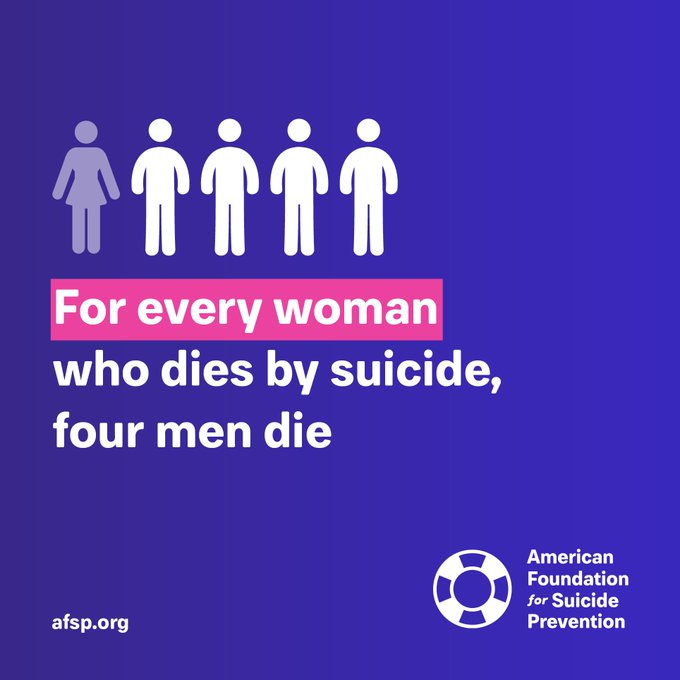
4. Suicide is always preceded by isolation. We are social beings. The only thing that prevents us from becoming mentally insane is meaningful social interaction.

5. The greatest meaning in life is found at the crossroads of order and chaos. The greatest meaning for a man can be found at the intersection of productivity and generosity.

6. Life is about the journey. Not the destination. The destination takes care of itself through the manifestation of the journey’s steps.

7. To truly find meaning in life, make your life about others. Stop focusing on you and focus on others.

8. For children, self esteem is not the primary goal, but rather the secondary byproduct of the goal. If self esteem is the goal to aim for, it will be attained falsely and will not sustain without manufactured achievement. If personal self-achievement is the goal, self esteem is obtained through the successful merit of such achievements. Self esteem is the result of something else, not the primary goal.

9. If you marry because you feel love for the other person, you will divorce because you no longer feel love for them. The reason for marriage must reside on a much more sustainable foundation of compatibility, reaching beyond the fleeting nature of feelings into the cognitive process of knowing this person is right for you and you are right for this person, even and especially when times get difficult.

10. Pineapple ruins pizza (Ok. I had to put one funny note in here. But really, yuck. Don’t do that).

Stay Classy GP!

Grainger

Does Empathy Equal Morality?

Empathy: Is it a good thing, a bad thing, or just a thing? Does being high in empathy make you a good person and does being low in empathy make you a bad person? Good questions. We turn to research to find the answer.

Turns out, the answer is actually that empathy is not moral or immoral, rather it is amoral. It’s just a thing. It does not make you a good person to have a lot or a bad person to have little. There is no such connection.

In a 2014 paper for the Psychological Bulletin, researchers reviewed all available data on this subject in a meta-analysis and found that 1% of the variation of aggression was due to lack of empathy. There is no real correlation to low empathy making you a bad person.

Studies show that when “spotlighting” one through empathy, one is willing to disregard laws, ethics, morals, and good reasoning to make sure the one they’re empathizing with is taken care of. This clearly clouds our judgement.

Participants in one study were willing to move one subject up in the list of transplants, even if it meant there was a good chance the subject would still live and a good chance the ones she skipped would die. It didn’t matter. Participants had empathy.

Another study took it another step and participants were willing to inflict pain that could result in hospitalization on a math contest participant that was opposing the one they were empathizing with. Didn’t matter. Gotta empathize.

You can only empathize with one person at a time. You can sympathize with many and have compassion for many. But you can only empathize with one at a time. This is why it is so dangerous.

Is it all bad? No. Cognitive empathy, theory of mind, and effective altruism are all ways in which empathy can be a good thing. We can allow it to drive us in a good direction but empathy must be met with analytic and altruistic reasoning that calibrates the possible upcoming action for effectiveness and realistic achievement. Understanding where someone is and how they are feeling is a good thing. When it propels us into unfettered, unbridled, blind action is when it becomes a problem.

Compassion is the best emotion to feel for those suffering. It is a true feeling that keeps bad decisions at bay long enough for your prefrontal cortex to get involved and make a rational decision. Rational compassion.

So, please remember this when you begin hearing people claiming empathy is the one all encompassing path to morality and goodness. It is FAR from that. On a good day.

Stay Classy GP!

Grainger

The Thanksgiving Feast: No Regrets

Ah, Thanksgiving! That glorious time of year when you can’t decide to bake or fry your turkey. You have the choice of having your potatoes with little lumps, with peas and onions, or the everlasting standby: tater tots. Your choice of 5 different desserts…oh the dessert! It’s a meal that’s been in the works for days, sometimes even weeks, and it’s finally here. The moment has arrived for you to gather around the table with friends, family, and a serious amount of stuffing. But wait—before you start mentally calculating how many calories are on your plate, take a deep breath and repeat after me: No regrets.

Let’s get real for a second. We all know that Thanksgiving is an indulgent holiday. It’s not about measuring out your portions or calculating macros; it’s about eating for joy, not for judgment. And you know what? You DON’T have to feel guilty about it.

*SN If you are boycotting all pilgrim holidays, this still applies for your grilled cheese or your trip to Ruby Tuesday.

Balance is Key—Not Guilt

Here’s the thing: You won’t get skinny from one salad, and you won’t get fat from one Thanksgiving meal. Balance is the magic word. It’s all about perspective. Let’s say you devour an extra slice of pumpkin pie (guiltyyyy). Sure, in the moment, you might feel a little bit like you’ve just made a questionable life choice. But in the grand scheme of things, that slice of pie is not going to singlehandedly derail your fitness and health goals or send you into an emotional tailspin.

Instead of stressing over every bite, try focusing on the bigger picture: you’re enjoying food that’s been carefully prepared with love and tradition. And if that means going a little overboard on the different potato options, so be it. The meal is temporary, but the memories of laughing with your loved ones over a shared table last a lifetime.

Let’s Talk About That Salad

You know what’s great? Eating healthy most of the time. That’s the true key to balance. But do we need to turn a salad into a shrine of holiness just because it’s the “healthier” choice? Not really. Yes, the salad is a lovely gesture, but it’s not going to cancel out your second helping of gravy-drenched turkey. One salad doesn’t make you a health guru, and one Thanksgiving meal doesn’t make you a turkey-stuffing monster.

Just eat the danged ole salad if you’re craving it, and then go for the stuffing, mashed potatoes, and whatever else your heart desires. Food is meant to be savored, not tortured by guilt.

The Real Secret: Mindful Eating

The real trick to enjoying Thanksgiving (or any indulgent meal, really) is mindfulness. Savor your bites. Pay attention to the flavors and textures. Listen to the crunch of the stuffing and the smoothness of the gravy. Be present in the moment, not thinking about whether you should have skipped the extra roll or if you’re going to have to do 500 burpees to make up for that extra scoop of cranberry sauce.

You know why? Because this holiday only comes around once a year. It’s a chance to celebrate abundance, connection, and joy. Focus on the fun, the family, the laughs, and the fact that the pie you’re about to devour is really freaking delicious. You’ll feel fuller with joy than with regret.

It’s Not a Day of Sin

Let’s get one thing straight: Thanksgiving is not the day you “fall off the wagon.” There’s no wagon to fall off of—there’s only a table, filled with glorious, comforting food. It’s one meal. One day. Not a week, not a month, not a lifestyle choice. So, embrace it.

The next morning, if you’re feeling sluggish, take a walk. Drink some water. But don’t punish yourself for enjoying yourself the day before. You didn’t ruin anything. You didn’t undo all your hard work. You just had a really good meal. And that’s something worth celebrating.

The Bottom Line? Eat, Enjoy, Repeat

So, here’s the bottom line: Thanksgiving is about enjoying the food, not obsessing over it. It’s about balance, mindfulness, and zero guilt. Fill your plate, fill your heart, and most importantly, fill your soul. If you eat something with a sense of enjoyment and no second-guessing, your body will thank you for it.

And if you do find yourself eyeing that last slice of pie and thinking, “Can I? Should I?” The answer is yes, yes you can. And you should—because one indulgent day won’t derail anything. Just enjoy it and move on. Tomorrow’s another day, and it’s full of opportunities to find balance all over again.

Dig in with no regrets. Just gratitude.

Stay Healthy GP!

JD

Not Sure What to Do with Your Halloween Candy? EAT IT!

Here we are, the leaves are changing colors, and the air is turning crisp. It’s that magical time of year again. Costumes, decorations, and of course, Reese’s Cups – ok there are other candies, but we all know Reese’s Cups are the best. With all those sugary temptations, it’s easy to feel a hint of guilt. Well, there’s good news: indulging in some Halloween treats is perfectly fine – just remember to keep it fun and moderate!

Debunking the Fear of Sugar

The common misconception is that sugar itself is a direct path to health issues like heart disease and diabetes. While sugar does pack a lot of calories per gram, it’s not the sugar itself that magically creates problems. Instead, it’s overindulgence that can lead to obesity, and ultimately, those scary health conditions. A little bit of sweetness can fit into a balanced diet without the looming threat of disaster. (Real quick- I’m not saying you can’t develop conditions like heart disease and diabetes unless you are obese, however obesity heavily increases the risk of development)

The Sweet Science of Balance

For those managing conditions like diabetes, Halloween can feel a bit more complicated. It’s essential to be mindful about sugar intake. According to the Healthline article Understanding Your Daily Insulin Needs, individuals with properly functioning insulin can enjoy candy without meticulously tracking every morsel, allowing for a more relaxed experience.  However, diabetics and prediabetics should approach their choices with care.

Healthline highlights that understanding how much insulin to take for the carbohydrates you eat can help people with diabetes enjoy celebrations with confidence. By keeping an eye on consumption and adjusting insulin accordingly, you can enjoy your favorite treats without worry.

Tips for a Guilt-Free Candy Adventure

  1. Select Your Favorites: Reese’s Cups are of course your favorite. Therefore, instead of sampling every candy in the bowl, focus on the Reese’s Cup (or whichever one you so wrongly chose as your favorite). This way, you can indulge without feeling overwhelmed.
  2. Practice Portion Control: Enjoy a small serving instead of diving headfirst into the entire stash. A little treat can satisfy your cravings and keep you on track. Remember it’s not the size of the candy bar; it’s how you enjoy it!
  3. Stay Active: Incorporate some movement into your Halloween plans! Whether it’s a family stroll after a meal or a Stomp the Yard dance competition, staying active helps balance out those extra calories.
  4. Prioritize Balance: Make sure your meals include plenty of vegetables, proteins, and grains. A nutritious diet allows for the occasional treat without guilt. Earn that candy!
  5. Savor Each Bite: Take your time and enjoy your candy. Mindful eating enhances the experience and helps you feel satisfied with smaller amounts. After all, why rush a good thing when you can savor that sugary blissfulness and make the moment last?
  6. Sugar Free Options: Last but not least, there are sugar-free options in almost every type of candy. I personally don’t care for them. I like genuine processed sugars in my life, thank you very much. Besides, most sugar-free candy has me running to the Port-a-John every time. Gross. However, these can be excellent substitutions. My wife and I regularly intake sugar-free substitutes such as, sodas, ice cream, and some homemade baked desserts. *Aspartame & sucralose are not inherently bad for you. They do give some people headaches and stomach aches (like anything else in the world), but there are no links to cancer. See PMC10459792.

This Halloween let’s embrace the joy of candy without fear! With a bit of understanding and a dash of moderation, you can enjoy your favorite sweets while keeping your health in check. So go ahead, indulge in that fun-sized treat, and celebrate your excuse to eat a Reese’s Cup (or go crazy and get a Fastbreak!). Happy Halloween!

Stay Healthy, GP!

JD

Health & Fitness Introduction

Greetings!

I am thrilled to unveil a new branch of Tidbits of Audacity – our brand-new monthly blog dedicated to health and wellness. As a fitness specialist passionate about holistic wellness, I’m here to serve up some insights, tips, and inspiration to help you strut your stuff on the way to a healthier lifestyle.

Why Health and Fitness?

In a world that’s always on the go – like a squirrel on espresso – keeping our physical and mental health in check often takes a backseat. But let’s face it: a thriving life starts with a body and mind that are firing on all cylinders. Our mission with this new branch of Tidbits of Audacity is to empower you with knowledge and motivation to prioritize your well-being. From innovative workout routines to mindful practices, we’re here to support you every step of the way. (And we promise to keep the dad jokes to a minimum…well, mostly!)

What to Expect

Each month, you can look forward to engaging, evidence-based content to help you make informed decisions about your health and fitness. Here’s a sneak peek at what we’ll be covering:

  1. Fitness Fundamentals: Whether you’re a gym guru or just figuring out how to use the treadmill without accidentally launching yourself, we’ll discuss effective workout strategies and tips tailored to your goals.
  2. Nutrition Know-How: Discover the art of balanced eating, meal planning, and fueling your body with the nutrients it craves. We’ll bust myths and provide practical advice – like how to enjoy your favorite foods without feeling like you’ve committed a culinary crime. *Note* Diet is crucial, so we’ll tackle this from an evidence-based perspective while still allowing for a slice of pizza (or two…we won’t tell!).
  3. Mental Wellness: Because fitness isn’t just about looking good in your new workout gear! We’ll explore strategies for managing stress, building mental resilience, and finding joy in your self-improvement journey.
  4. Lifestyle Enhancements: Learn how small changes – like finally tossing that old mattress – can significantly boost your overall well-being, from sleep hygiene to time management.

Why This Matters

Embarking on a healthier lifestyle is not just about individual gains; it’s about fostering a healthier society. Investing in our well-being contributes to a ripple effect that benefits our families, workplaces, and communities. By sharing this journey with you, we hope to create a supportive network where everyone can thrive.

Join the Movement

We’re pumped to embark on this journey with you! Keep an eye out for our upcoming posts, and don’t hesitate to reach out with questions or topics you’d like us to cover. Together, let’s prioritize health and fitness and build a future where we can live our best lives.

Here’s to your health, happiness, and audacious living!

Stay Healthy GP!

JD